Yes, flour does expire, though the process is usually gradual rather than sudden. Whole wheat flour generally stays at its best for about four to six weeks after opening when stored properly, and can remain safe to eat for several months beyond that, though quality, taste and aroma decline steadily the whole time. Refined maida tends to last somewhat longer due to its lower natural oil content. Flour rarely becomes dangerous the moment it crosses a printed date, but it can develop mould, rancid odours or pest infestations if stored poorly, at which point it should be discarded regardless of the date on the pack.
Does flour actually go bad
Flour does not spoil the same way fresh produce or dairy does, since it has very low moisture content, which limits bacterial growth under normal storage conditions. That said, flour is not immune to quality decline or, in poor conditions, genuine spoilage.
Two separate things happen to flour over time, and it helps to understand them as distinct processes. The first is a gradual loss of freshness, where natural oils in the wheat germ slowly oxidise, aroma fades, and the flour becomes less flavourful and slightly less nutritious, without becoming unsafe. The second is actual spoilage, caused by moisture exposure leading to mould growth, or by pest infestation, both of which do make flour unsafe to eat and require it to be discarded.
What the dates on a flour packet actually mean
Most packaged flour in India carries either a best before date or a manufacturing date alongside an expiry date. These are not always the same thing, and understanding the difference matters more than most shoppers realise.
A manufacturing or milling date tells you when the wheat was actually ground into flour. This is the most useful date for judging freshness, since it is the starting point for the oxidation process described above.
An expiry or best before date is typically a conservative estimate set by the manufacturer, often six months to a year from the milling date, representing the point by which quality is expected to have declined meaningfully, though not necessarily to an unsafe level. These dates are set with a margin of safety and do not mean flour becomes instantly unusable the day after.
Many shoppers check only the expiry date and overlook the milling date entirely, which can mean buying a bag that is technically within its window but was actually milled many months ago. Our guide on buying wheat flour online covers how to check for this specifically when shopping, since it is harder to judge without being able to see or smell the product directly.
How long does flour last
Shelf life varies depending on the type of flour, how it is stored, and local climate conditions, particularly humidity.
| Flour type | Typical quality window after opening | Notes |
|---|---|---|
| Whole wheat atta | 4 to 6 weeks for peak freshness | Can remain safe for several months with proper storage, though aroma and quality decline steadily |
| Maida (refined flour) | 2 to 3 months or longer | Lower oil content makes it more stable over time |
| Multigrain atta | 3 to 5 weeks | Varies by blend, millet and pulse content can shorten shelf life |
| Besan | 2 to 3 months | Relatively stable, though quality still declines gradually |
| Bajra, jowar and ragi flour | 3 to 4 weeks | Higher natural oil content than wheat, tends to turn stale faster |
These ranges assume proper storage in an airtight container, kept cool and dry. Poor storage conditions, especially heat and humidity, can shorten all of these windows significantly. For the complete storage practices that help flour last as long as possible, see how to store flour properly, and for a fuller breakdown by flour type, see flour shelf life.
Why whole wheat flour goes stale faster than maida
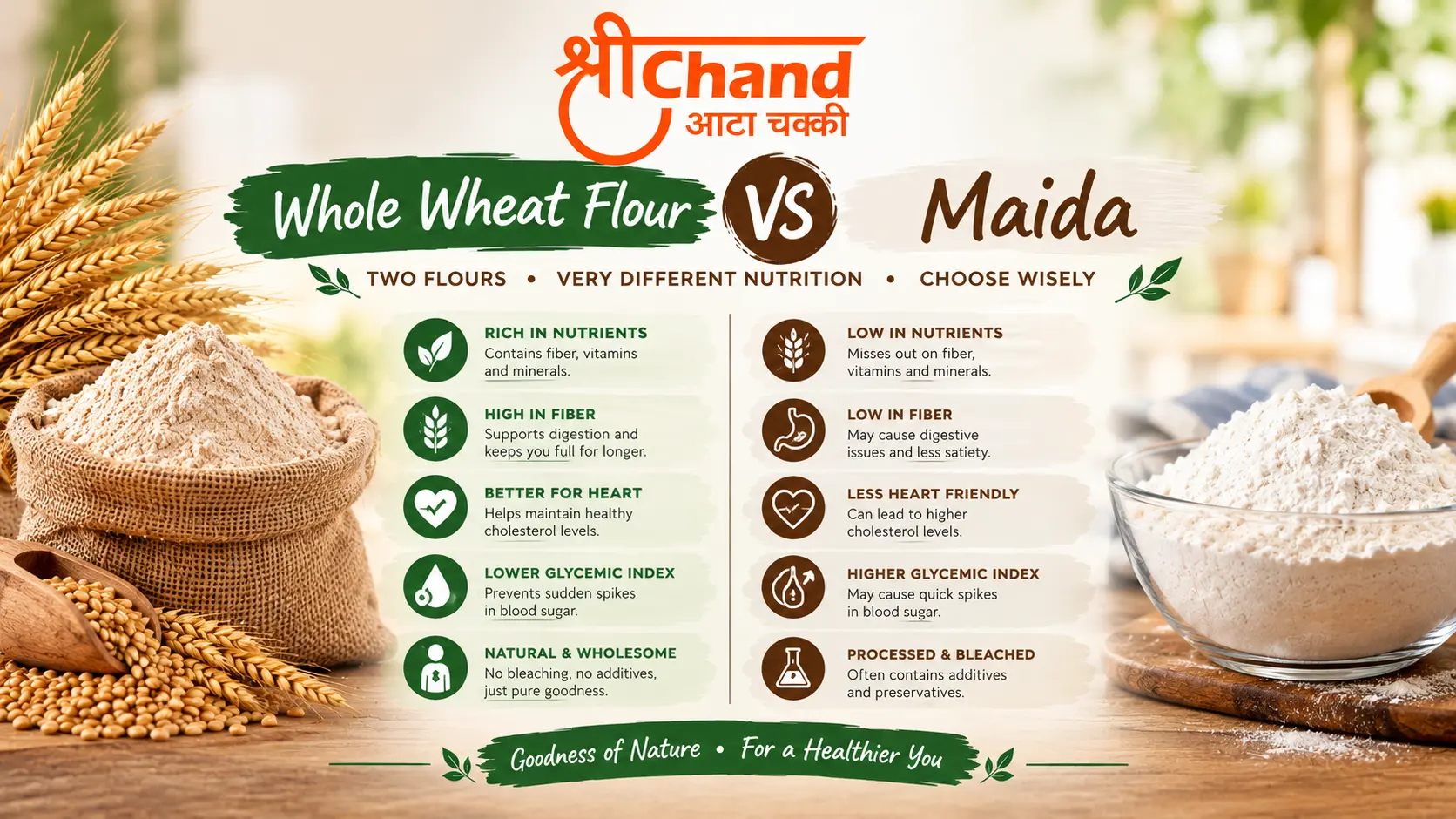
This comes down to the natural oils present in the wheat germ, which whole wheat flour retains and refined maida does not. Those oils are nutritionally valuable, contributing to the flour's natural aroma and some of its vitamin content, but they are also the first thing to oxidise when exposed to air, heat and light over time. Maida, with the germ removed during processing, simply has less of this oil content to begin with, which is why it tends to have a longer practical shelf life despite both flours having similar printed expiry windows.
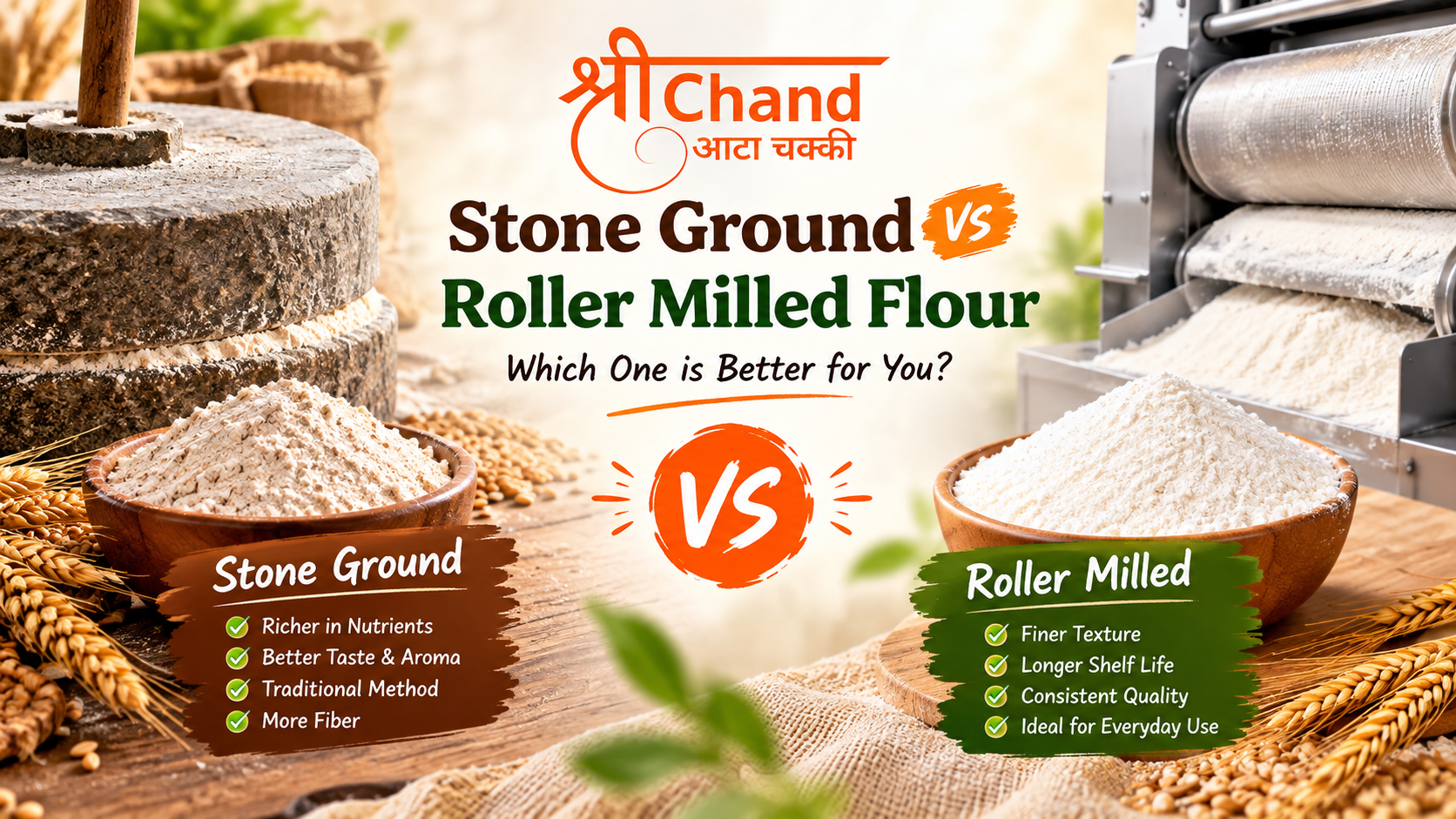
This is also why freshly stone ground or chakki atta, which retains the maximum amount of these natural oils due to its gentle, low heat milling process, benefits the most from being bought and used relatively soon after milling. Our guide to chakki atta benefits covers why freshness is such a central part of what makes stone ground flour distinct.
Signs that flour has actually gone bad
Rather than relying solely on the printed date, these signs are more reliable indicators of whether flour is still good to use.
- A rancid, sour or musty smell, distinct from the mild, nutty aroma of fresh flour. This usually indicates the natural oils have oxidised significantly.
- Visible mould, typically appearing as small spots of discolouration, which means the flour has been exposed to moisture and should be discarded entirely.
- Clumping that does not break apart with a dry spoon, which can indicate moisture has gotten into the storage container.
- Small insects, larvae or webbing in the flour, a sign of pantry pest infestation, requiring the flour to be thrown out and the container cleaned thoroughly before reuse.
- A noticeably darker colour or unusual texture compared to when the flour was first purchased.
If flour shows any of these signs, it is best discarded regardless of what the printed date on the original packaging says, since storage conditions, not just time, determine whether flour stays genuinely safe and usable.
Can you eat flour past its expiry date
In many cases, flour that is slightly past its printed best before date is still safe to eat, provided it has been stored properly and shows none of the spoilage signs listed above, since printed dates are generally conservative estimates rather than hard safety cutoffs. That said, quality, taste and some nutritional value will have declined by that point, particularly for whole wheat and other whole grain flours. Using judgement based on smell, texture and appearance is generally more reliable than relying on the date alone, though if there is ever visible mould or a strong, off smell, it is best to discard the flour rather than take a chance.
Does freezing extend flour's shelf life
Yes, freezing flour in a well sealed, airtight container can meaningfully extend how long it stays usable, particularly useful for flours you use less frequently, like a specialty millet blend, or for extending the shelf life of a larger quantity bought at once. Flour should come to room temperature before use in dough, since cold flour can affect how evenly it absorbs water during kneading. This is covered in more detail, along with other practical storage habits, in our full guide on how to store flour properly.
Frequently asked questions
Does flour expire or go bad? Yes, flour does decline in quality over time and can eventually spoil if exposed to moisture or pests, though it does not spoil the way fresh food does under normal, dry storage conditions. Quality decline, such as fading aroma, happens well before actual spoilage in most cases.
How long is flour good for after the expiry date? Flour that is slightly past its printed expiry date is often still safe if it has been stored properly and shows no signs of spoilage like mould, pests or a rancid smell, since expiry dates are typically conservative estimates. Always check for these signs before using older flour.
What happens if you eat expired flour? If the flour simply has reduced freshness but no mould, pest activity or rancid odour, eating it is generally not harmful, though taste and nutritional quality may be reduced. Flour with visible mould or pest contamination should never be eaten and should be discarded.
How can I tell if my flour has gone bad? Check for a musty, sour or rancid smell, visible mould, clumping that will not break apart, insects or larvae, and any unusual discolouration. Any of these signs mean the flour should be discarded.
Does whole wheat flour expire faster than maida? Yes, generally. Whole wheat flour retains natural oils from the wheat germ that oxidise over time, which causes it to lose freshness faster than refined maida, which has a lower oil content due to the removal of bran and germ during processing.
Can I freeze flour to make it last longer? Yes, freezing flour in an airtight container can extend its usable shelf life considerably, particularly for flours used less often. Let frozen flour return to room temperature before using it in dough.
The bottom line
Flour does expire, but the process is usually a slow decline in freshness rather than a sudden drop-off at a printed date. Whole wheat flour is more time sensitive than refined maida due to its natural oil content, which is exactly why freshness matters so much when choosing and storing atta. Checking the milling date, storing flour properly, and trusting your senses over the printed expiry date alone will serve you better than either strictly following dates or ignoring them entirely.
For the complete shelf life breakdown across different flour types, read flour shelf life next, or go back to the basics with how to store flour properly.